A Complete Guide to Finding Used Class A Motorhomes for Less
Shopping for a used Class A motorhome can feel exciting and a little overwhelming at the same time, especially when you're working within a $30,000 ceiling.
These spacious, comfortable rigs are a great fit for extended family trips or anyone looking to embrace life on the road. Landing one without overspending takes some know-how and a bit of strategy. This guide walks through which model years deliver the best value, where to look, what to inspect, and how to negotiate a fair deal.
For a lot of buyers, owning a Class A motorhome can feel like it's out of reach given the sticker prices on newer units. With the right approach, though, that goal is genuinely achievable within a modest budget.
Best Model-Year Range for Budget-Minded Buyers
One of the biggest factors for anyone shopping on a budget is knowing which model years actually offer the best value.
Class A motorhomes typically see the steepest drop in value during their first several years on the road. That depreciation curve flattens out after roughly 7 to 10 years, which is when these rigs start becoming genuinely affordable while still having plenty of usable life left.
Units in the 10-to-15-year range often hit that sweet spot — most of the depreciation has already happened, but the motorhome still has real years of service ahead. Focus on well-cared-for units from established manufacturers like Winnebago, Fleetwood, or Tiffin. These brands have built solid reputations for durability and offer a wide range of floor plans and features to fit different needs.
Do's and Don'ts for Choosing a Model Year
- Do look into how specific models have performed and held up over time.
- Don't get pulled in by units loaded with luxury extras that push the price toward the top of your budget.
- Do put function and condition ahead of extra bells and whistles.
Where to Look: Smart Search Strategies
Finding a used Class A motorhome under $30,000 takes a deliberate approach. Start with online listing platforms where private sellers post their vehicles, along with RV-specific forums that carry classified sections. These channels often let you deal directly with sellers, which tends to open up more room for negotiation.
Patience pays off here. Widen your search area and stay open to traveling for the right unit — plenty of buyers end up finding their ideal motorhome a state or two away, where pricing tends to be more favorable. It's also worth checking out RV shows and dealer events when you can; even if the floor is stocked with new inventory, dealers often have used trade-ins or connections to private sellers.
Timing Matters
When you shop can make a real difference. Late fall, as camping season winds down, tends to be a strong window for deals since sellers want to move their rigs before winter sets in. Slower demand during this stretch also means dealers are often more willing to negotiate on price.
What to Check During Inspection
A thorough inspection isn't optional when buying any used vehicle — and it matters even more for a motorhome, since you're dealing with both the drivetrain and a full living space. If you're not confident evaluating it yourself, hiring a professional RV inspector is money well spent and can spare you from costly surprises down the road.
Key Areas to Examine
- Roof and Sidewalls: Look closely for leaks, water staining, and any sign of delamination.
- Engine and Transmission: Listen for odd noises and confirm smooth shifting during a test drive.
- Tires and Brakes: Tires over five years old should be replaced regardless of how much tread remains. Pay close attention to how the brakes respond.
- Appliances and Systems: Run every component — generator, air conditioning, refrigerator — to confirm it actually works.
Negotiating a Fair Price
Once you've found a Class A motorhome that fits your budget, the next step is negotiation. Walking in with a clear head and a plan gives you the best shot at a favorable outcome.
Start by getting a solid handle on the vehicle's fair market value. Resources like the NADA RV Guide can help you gauge appropriate pricing for the specific model, year, and condition. Bring up anything you found during inspection, and consider whether needed repairs can be worked into a lower final price.
Negotiation Tips
- Open with an offer below the asking price — sellers generally expect some back-and-forth and price accordingly.
- Be ready to walk away if the numbers or terms don't work for your budget.
- Don't be afraid of a pause in conversation. Giving the seller a moment to think can lead to better terms.
Understanding Today's Market
Before jumping into your search, it helps to get a feel for the current used-motorhome market. RV demand has climbed in recent years, driven partly by more people embracing road travel and remote work. That demand can push prices up, which makes it even more important to set realistic expectations about what fits your budget and which features actually matter to you.
Think through what you genuinely need — is it interior space, specific amenities, or a particular brand's reputation? Getting clear on your priorities up front makes it much easier to stay focused and avoid getting distracted by units that don't check your must-have boxes.
Financing Considerations
If you're planning to finance rather than pay cash, it's worth shopping around to find the best rate and terms. Many banks and credit unions offer RV-specific loans, structured somewhat like auto loans but often with different rates and terms.
Compare offers from a few different lenders — banks, credit unions, and online lenders alike — paying close attention to interest rates, loan length, and any extra fees. Your credit standing will play a big role in the offers you receive, so it's worth checking that beforehand.
Financing: Pros and Cons
- Pros: Financing lets you get into a motorhome without paying the full price upfront, which can make budgeting easier.
- Cons: Interest adds to the total cost over time, and some loans come with restrictions on use or modifications.
A Few More Tips for a Smooth Purchase
- Connect with other RV owners: RV clubs and online communities are full of experienced owners who can offer real-world advice — and sometimes even know of a motorhome for sale.
- Look up recalls: Before finalizing anything, check whether the specific model has any open recalls. Handling these ahead of time can save real hassle later.
- Plan for ongoing costs: Insurance, maintenance, and storage all add up — factor these into your overall budget, not just the purchase price.
With a bit of planning and the right strategy, you can navigate the used-motorhome market with confidence and find a Class A rig that fits both your lifestyle and your budget.
Real Examples of Successful Buys
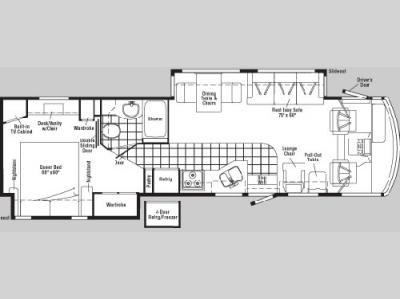
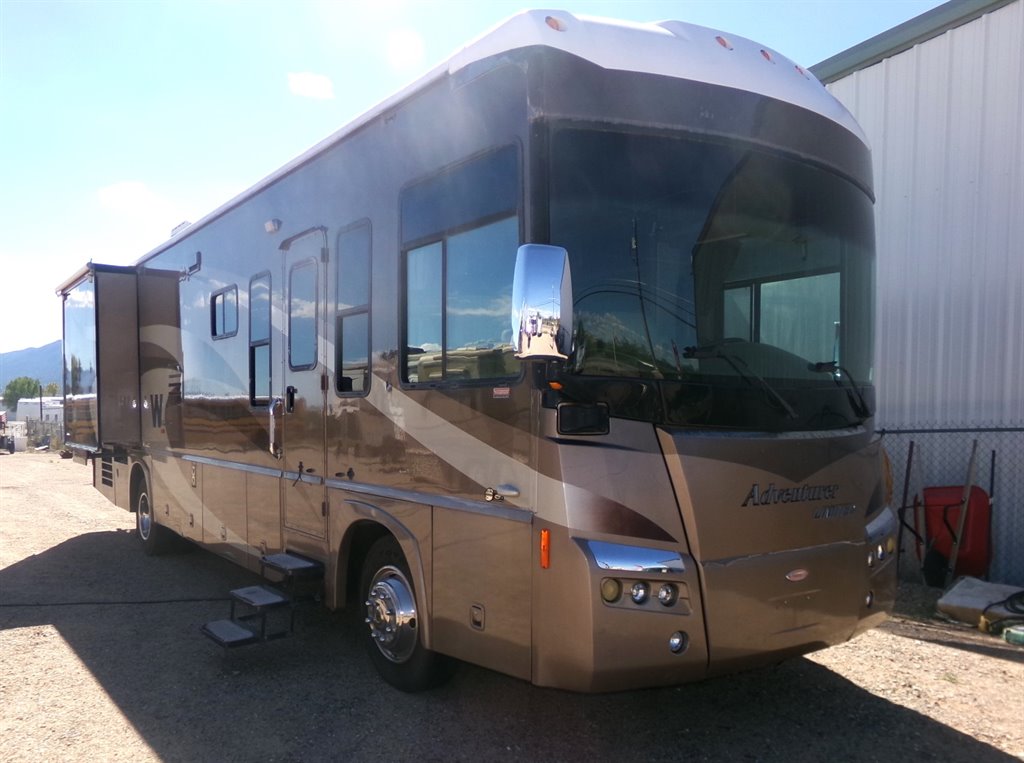
It helps to see these strategies play out in practice. One couple, targeting older units and widening their search area, found a well-kept 2008 Winnebago Adventurer for just under $30,000 in a neighboring state. Attending a local RV show connected them with a private seller motivated to sell before winter, which gave them real leverage to negotiate within their budget.
Another buyer took a different route, spending time in RV-focused online communities. That effort led him to a 2007 Fleetwood Bounder listed by an owner upgrading to a newer model. His patience and willingness to travel for the right unit paid off with a price well under typical market value.
Frequently Asked Questions
What should I focus on when inspecting a used motorhome? Prioritize the engine, transmission, roof, and sidewalls, and make sure every appliance and system actually functions.
How do I know if a motorhome is fairly priced? Cross-reference pricing guides like the NADA RV Guide with similar listings to get a realistic sense of market value.
Should I buy from a dealer or a private seller? Each has tradeoffs — dealers often offer warranties and financing, while private sellers may offer lower prices and more room to negotiate.
Bottom Line
Buying a used Class A motorhome under $30,000 isn't just a financial decision — it's an investment in a lifestyle. By targeting the right model years, searching strategically, inspecting thoroughly, and negotiating with confidence, you can land a rig that fits both your budget and your travel plans. Preparation and patience go a long way here — happy travels.
 Used
Used
 Used
Used
 Used
Used
 Used
Used
 Used
Used