Acura RDX Deal Guide: Save Smart on a Luxury SUV in 2026
If you want a luxury-SUV experience without overspending, the Acura RDX is a practical, well-rounded option that often undercuts European rivals on total cost of ownership.
In this guide, you’ll learn when to buy, how to compare trims and drivetrains, what a fair price looks like, and how the RDX stacks up against similar compact luxury SUVs so you can decide with confidence.Buyer intent and readiness: is now the right time?
Buy now if your current vehicle is costing you time or money (repairs, downtime, poor fuel economy), you need modern safety features, or you’ve found a well-maintained RDX at a price supported by comps. Waiting can make sense if you’re flexible on color/trim and want to shop end-of-quarter dealer incentives, or if a local listing shows signs of pending reconditioning (tires, brakes) you can negotiate into the price.
Common signs you’re ready: you want to move up from a mainstream SUV to a more refined daily driver, you’re replacing an aging vehicle, or you want heated/cooled seats, a quieter cabin, and advanced driver-assistance without paying top-tier luxury prices. Frame your purchase around the next 5–7 years: how it fits your commute, budget, and comfort needs, not just the sticker price.
Build a short needs list (drivetrain, must-have features, acceptable mileage) and use it to filter listings.Who the Acura RDX fits best: value-focused shoppers who want premium comfort, strong safety tech, and capable performance with lower long-term costs than many European brands. Consider other routes if you need a third row (look at midsize SUVs), if you prioritize maximum fuel efficiency (consider Lexus NX hybrid), or if a non-luxury high-trim SUV (e.g., Mazda CX-5/CX-70) gives you 90% of what you want for thousands less. Certified pre-owned (CPO) can make sense if you value warranty coverage and a standardized inspection over getting the absolute lowest price.
Options, types, and realistic alternatives
RDX variations to compare
- Older, lower-mileage vs. newer, higher-mileage: A 2018 with 45k miles may feel simpler and cheaper to insure; a 2021 with 70k miles likely has newer safety tech and infotainment but may be due for tires or brakes. Balance age-related updates against upcoming maintenance.
- FWD vs. SH-AWD: Front-wheel drive saves purchase cost and fuel; Acura’s SH-AWD adds confidence in rain/snow and aids cornering feel. If you live in a four-season climate or value traction, AWD is usually worth it; in warm regions, FWD can reduce running costs.
- Base vs. Technology vs. A-Spec vs. Advance (naming may vary by year):
- Base/Standard: Good safety suite, powertrain, and comfort. Best value if you don’t need premium audio or leather upgrades.
- Technology: Adds leather, navigation, upgraded audio, and more driver-assist refinements—often the sweet spot for daily comfort.
- A-Spec: Sport-styled exterior, larger wheels, firmer ride, and sport interior touches; looks great, tires may cost more.
- Advance: Often includes adaptive dampers, ventilated seats, surround-view camera, and more driver aids—best for long-haul comfort.
- Dealer vs. private-party: Dealers may offer CPO coverage, financing, and easier trade-ins; private-party sales can be cheaper with fewer fees but require more due diligence.
How these choices affect daily life
- Comfort and ride: Advance trims with adaptive suspension are cushier; A-Spec’s larger wheels can feel firmer on rough roads.
- Performance: Most recent RDX models use a 2.0L turbo four-cylinder with brisk acceleration; SH-AWD improves grip and driving confidence.
- Fuel economy: Expect roughly mid-20s combined mpg depending on year/drivetrain; premium fuel is typically recommended. Check the EPA’s model pages for specifics.
- Technology: Newer years feel more modern. Acura’s touchpad interface is polarizing—be sure you’re comfortable using it on a test drive.
- Maintenance: Larger wheels mean pricier tires; AWD adds fluid services versus FWD. Service history matters more than model year alone.
Comparable luxury and near-luxury options
- Lexus NX: Strong reliability image and hybrid options; softer ride, typically higher purchase price for similar equipment.
- Audi Q5 / BMW X3 / Mercedes-Benz GLC: Excellent refinement and dynamics; often higher maintenance/repair costs out of warranty.
- Volvo XC60: Comfortable seats and safety focus; depreciation can create good used values, but verify software/feature support on older years.
- Mazda CX-5 or CX-70 (top trims): Lower price with near-luxury feel; fewer prestige-brand perks but compelling value and simpler ownership.
Features and evaluation criteria that really matter
- Seat comfort and driving position: Critical for commuters. Test thigh support and lumbar over at least 20 minutes.
- Ride quality and noise: Check highway wind/road noise and how it handles patched pavement. Adaptive dampers (Advance) help.
- Visibility and parking aids: Look for blind-spot monitoring, parking sensors, and a surround-view camera if you park in tight spaces.
- Cargo space and flexibility: The RDX offers useful cargo room for a compact SUV; verify stroller, golf clubs, or luggage fit.
- Infotainment and controls: Make sure the touchpad, voice commands, and wireless features fit your habits.
- Safety and driver assistance: Confirm the presence and function of adaptive cruise, lane-keeping, forward collision mitigation, and their calibration.
- Engine, mileage, and service history: A well-documented 60k-mile RDX can be a better bet than a spotty 40k-mile one. Prioritize records.
- Tire, brake, and fluid condition: These near-term costs can swing the true value of a “deal.”
- Ownership reputation: Reliability, dealer service access, and parts costs should align with your budget expectations.
Pricing and total cost expectations
Assumptions: Pricing varies by region and market cycles. Use these estimates as starting points and verify with local listings and guides.
- Budget used (approx. 2016–2018): ~$14,000–$22,000 depending on mileage/condition.
- Mid-range used (approx. 2019–2022): ~$22,000–$33,000; many have modern safety/infotainment.
- Late-model used/CPO (approx. 2023–2025): ~$30,000–$42,000; CPO may add $1,000–$2,500 versus non-CPO.
- New (approx. 2026 MSRP range): Estimated ~$44,000–$55,000 depending on trim/drivetrain.
What drives price differences: model year, trim and options, AWD vs FWD, mileage and service records, accident history, reconditioning, location, and dealer markup/fees. A clean history with documented maintenance commands more; large wheels/tires, panoramic roof, and premium audio can raise replacement costs but also resale appeal.
Total cost of ownership (example): At 12,000 miles/year and 24 mpg combined, fuel use is ~500 gallons. At $3.80/gal, that’s ~$1,900/year. Insurance varies widely; check quotes by VIN. Expect periodic costs like tires ($800–$1,600 for a set depending on size/brand), brakes, fluids (especially for AWD), and 5–10% of vehicle price for taxes/registration depending on your state.
Discounts, promotions, and timing the market
Dealers may discount more at month/quarter/year-end to hit targets. SUV demand rises in fall/winter in snowy regions and can lift prices; spring inventory bumps may improve selection. Watch for manufacturer finance promos on new/CPO models and be ready with competing quotes.
Online prices can look lower due to aggressive advertising; in-store quotes may add doc fees, reconditioning, nitrogen, paint sealants, or protection packages. Compare out-the-door (OTD) numbers only, and be prepared to walk if add-ons aren’t optional.
Cheaper listings can hide issues: incomplete maintenance, accident history, worn tires/brakes, or poor reconditioning. Pay for a pre-purchase inspection (PPI) and use findings to negotiate or walk away.
Financing and payment options
- Dealer financing: Convenient and can include rate promos, but always compare with a bank or credit union pre-approval.
- Banks/credit unions: Often competitive fixed rates; pre-approval strengthens your negotiating position.
- Down payment: 10–20% helps reduce monthly cost and interest paid.
- Trade-ins: Get written offers from multiple sources; use the best as leverage.
- Extended warranties/service plans: Useful if coverage is clear and priced fairly; avoid bundled add-ons you don’t need.
- Cash vs. financing: Cash simplifies, but low APR financing may be cheaper than opportunity cost. Compare total interest over the loan term, not just monthly payments.
Quality checks, returns, and risk reduction
- Vehicle history and title: Pull a reputable report and match it to service records. Be cautious with salvage/rebuilt titles.
- Pre-purchase inspection: Independent PPI should assess engine/turbo health, AWD system, leaks, suspension, brake/tire wear, alignment, and infotainment operation.
- Open recalls: Look up by VIN and confirm repairs are completed before delivery.
- Test drive: Evaluate cold start, highway stability, brake feel, infotainment responsiveness, and ADAS calibration.
- Warranties and returns: CPO adds coverage and peace of mind. Most states don’t provide a post-sale cooling-off period for dealership purchases; some dealers offer limited exchange windows—get terms in writing.
Use-case and buyer scenarios
- Premium commuter: Technology or Advance trim, FWD in warm climates, SH-AWD where winters are real. Prioritize seat comfort and adaptive cruise.
- Couple with cargo flexibility: Advance for quiet ride and comfort features; verify luggage and pet crate fit. The RDX’s towing capacity is modest—plan accordingly.
- Upgrading from a mainstream SUV: Expect a quieter cabin, stronger driver aids, and better materials than many non-luxury trims; factor higher tire and insurance costs.
- Luxury feel without European repair bills: The RDX aims for this balance. If you crave maximum sport feel, test BMW X3; if long-term simplicity tops all, test Lexus NX hybrid.
- First-time luxury-SUV buyers: Start with CPO or late-model used to blend warranty coverage and value; avoid chasing appearance packages if they strain the budget.
Local, offline, and real-world factors
Availability can vary by region; snow-belt vehicles may show more underbody corrosion, while sun-belt vehicles can have paint/trim UV wear. Ensure test-drive access on the types of roads you use daily—commute routes, rough pavement, and highway speeds.
Confirm local service access: is there an Acura dealer or a trusted independent shop nearby? If buying online or out of state, include transport costs, inspection logistics, and time for title/registration. Ask for high-resolution photos and video walkarounds before committing to travel.
Mistakes and pitfalls to avoid
- Overbuying a trim for features you won’t use, or underbuying and regretting daily comfort.
- Skipping a PPI or accepting “as-is” without understanding risks.
- Focusing on mileage alone and ignoring service history and tire/brake condition.
- Not testing the infotainment interface thoroughly for usability.
- Letting dealer add-ons inflate OTD price; insist on line-item removals.
- Ignoring insurance, taxes, and future tire costs when budgeting.
Decision support tools
Buyer checklist
- Define your must-haves (drivetrain, seats, ADAS) and nice-to-haves (audio, wheels, pano roof).
- Pull history report, verify title, and cross-check service records.
- Schedule a PPI and budget for any near-term wear items.
- Get OTD quotes from at least two sellers; compare CPO vs non-CPO.
- Test the infotainment and ADAS on your real routes.
- Confirm insurance, taxes/fees, and financing terms before signing.
Ready-to-buy self-assessment
- I know which trim and drivetrain fit my climate and commute.
- I’ve confirmed a clean title, acceptable history, and solid service records.
- My OTD price aligns with comps and my budget, including insurance and taxes.
- The test drive met my comfort, tech, and performance expectations.
- I can afford maintenance, tires, and fuel without stretching.
Concise decision summary
The Acura RDX suits shoppers who want premium comfort, strong safety tech, and engaging yet practical performance at a price that often undercuts European rivals. If you value low running costs and warranty coverage, target late-model used or CPO Technology/Advance trims; choose SH-AWD for four-season confidence and FWD for lower operating costs. Compare OTD prices, insist on a PPI, and weigh total ownership costs—not just the sticker—before you commit.
 Used
Used
 Used
Used
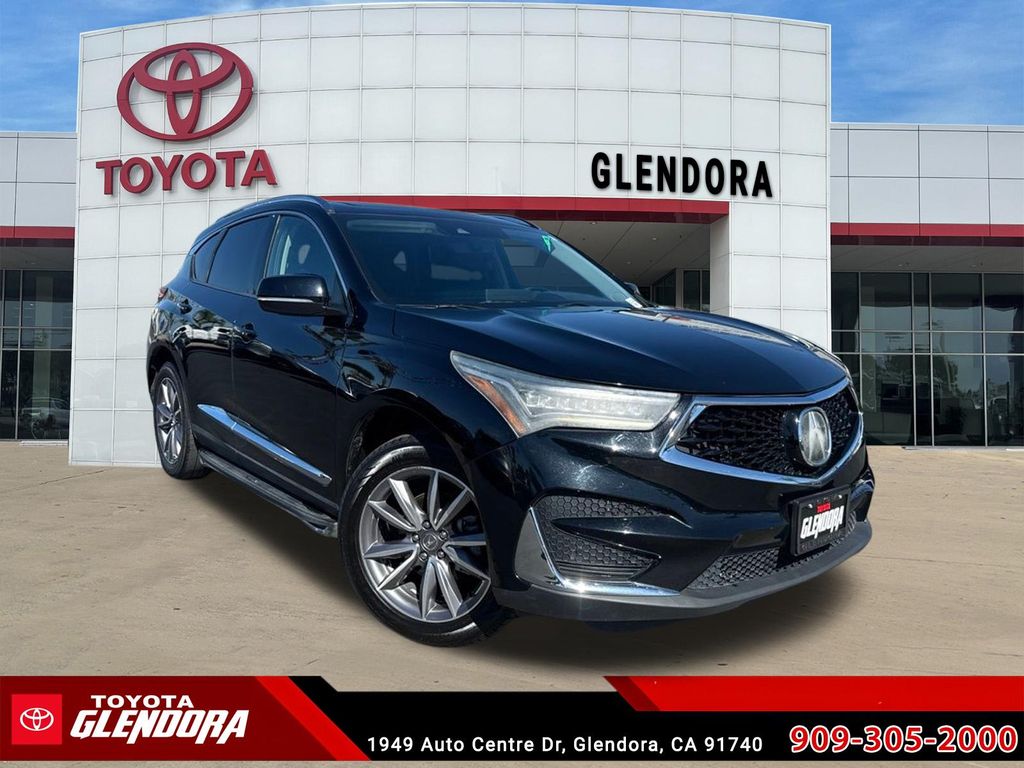
Used 2023 Acura RDX FWD w/Technology Package w/Technology Package FWD w/Technology Package SUV Sport Utility FWD Automatic Intercooled Turbo Premium Gasoline I-4 2.0 L/122 WhiteWhite TanBeige 26,073 Miles
Los Angeles, CA
 Used
Used
 Used
Used
 Used
Used
 Used
Used
Sources
- Acura RDX – official site
- EPA fuel economy – Acura RDX
- IIHS safety ratings – search Acura RDX
- NHTSA recall lookup
- Kelley Blue Book – Acura RDX pricing
- Edmunds – Acura RDX reviews and pricing
- Consumer Reports – Acura RDX
- Carfax – vehicle history reports
- AutoCheck – vehicle history
- FTC – Cooling-Off Rule guidance (exceptions)