Best Jeeps Under 10K - Smart Buys, Years, and Tips Guide
Yes, you can still find Jeeps under $10k worth buying.
With realistic expectations, a sharp eye, and a little patience, you can land a dependable 4x4 that’s ready for snow, dirt roads, and weekend trail rides—without wrecking your budget.Why Jeeps Under $10K Are Possible (and What to Expect)
Used car prices move in cycles, and Jeeps are no exception. Historic data like the Manheim Used Vehicle Value Index shows values rising and falling over time, which means models such as the Grand Cherokee, Cherokee, Liberty, Patriot, Compass, and even older Wranglers regularly dip below $10,000 depending on mileage, condition, region, and season. Expect older model years (often 10–25 years old), higher mileage, and a few cosmetic flaws—but also plenty of mechanical life if you buy smart.
Wranglers carry brand cachet and usually stay pricier, so most sub-$10k targets are Cherokees, Liberties, Patriots/Compass, and Grand Cherokees, with the occasional high-mileage or rusty Wrangler in the mix. Prioritize drivetrain health (engine, transmission, transfer case, differentials) over gadgets and shiny paint—solid 4x4 fundamentals always win on a budget.
Plan for a modest reconditioning budget. Set aside 10–20% of the purchase price for tires, fluids, brakes, and deferred maintenance. If you’re eyeing a future trail build, start with recovery gear basics later and don’t let bolt-ons distract you from securing a healthy base vehicle first.
Best Jeeps Under $10k: Years, Trims, and What to Look For
Wrangler YJ/TJ (1991–2006)
Reality check: Wranglers hold value, so sub-$10k usually means higher miles, the 2.5L four-cylinder, a two-door, visible wear, or localized rust (on TJs, pay close attention to the frame-side control arm/“torque box” areas). The legendary 4.0L inline-six is famously durable and worth stretching for—if the frame is solid. Manuals are simple and common; autos can be fine but deserve a careful road test and fluid check.
- Inspect: Frame rust near rear control arm mounts, skid-plate crossmember, and body mounts; soft-top condition; transfer case engagement; and any cooling system leaks.
- Price reality: Clean, rust-free TJs under $10k exist but are rare—expect 180k–250k miles or some rust mitigation. Earlier YJs vary widely in condition; inspect the frame first, cosmetics second.
Cherokee XJ (1997–2001, plus earlier years)
The XJ is a budget legend: boxy, light, and tough. The 4.0L I6 often runs 250k+ miles with maintenance. Look for 1997–1999 for fewer head issues; the 2000–2001 model years can have the 0331 head casting that may crack if overheated (not all do). Remember, the XJ is unibody—no frame to swap—so rust matters a lot.
- Inspect: Floor pans, rocker panels, rear leaf-spring mounts, and unibody rails for rust; cooling system; axle seals; and steering play.
- Why it’s great: Simple electronics, deep aftermarket support, and strong off-road capability with modest upgrades.
Grand Cherokee WJ (1999–2004) and WK (2005–2010, high miles)
Comfort kings under $10k. A WJ with the 4.0L is a long-distance workhorse; the 4.7L V8 adds power but needs a healthy cooling system and proof of regular service. Early WKs sometimes fall under $10k at higher mileage. Quadra-Drive can be excellent when maintained.
- Watch for: HVAC blend door failures, tired suspension bushings, driveshaft CV wear, and differential whine. Ask for service history on Quadra-Drive systems.
- Why buy: Safer highway manners than XJ, nicer interiors, plentiful parts, and strong value per dollar.
Liberty KJ/KK (2002–2012)
The Liberty is a value play. It may lack Wrangler mystique, but it’s genuinely capable thanks to real low-range 4x4. The common 3.7L V6 is fine if cooling systems are kept healthy. Window regulator failures are common (and cheap to fix). Front suspension and ball joints deserve close attention—there were recalls on early KJs, so check the VIN in the NHTSA Recall Search.
- Look for: Evidence of regular fluid changes, no overheating history, and tight steering/suspension.
- Why buy: Many clean examples live under the radar for $4k–$8k, leaving budget for proper tires and catch-up maintenance.
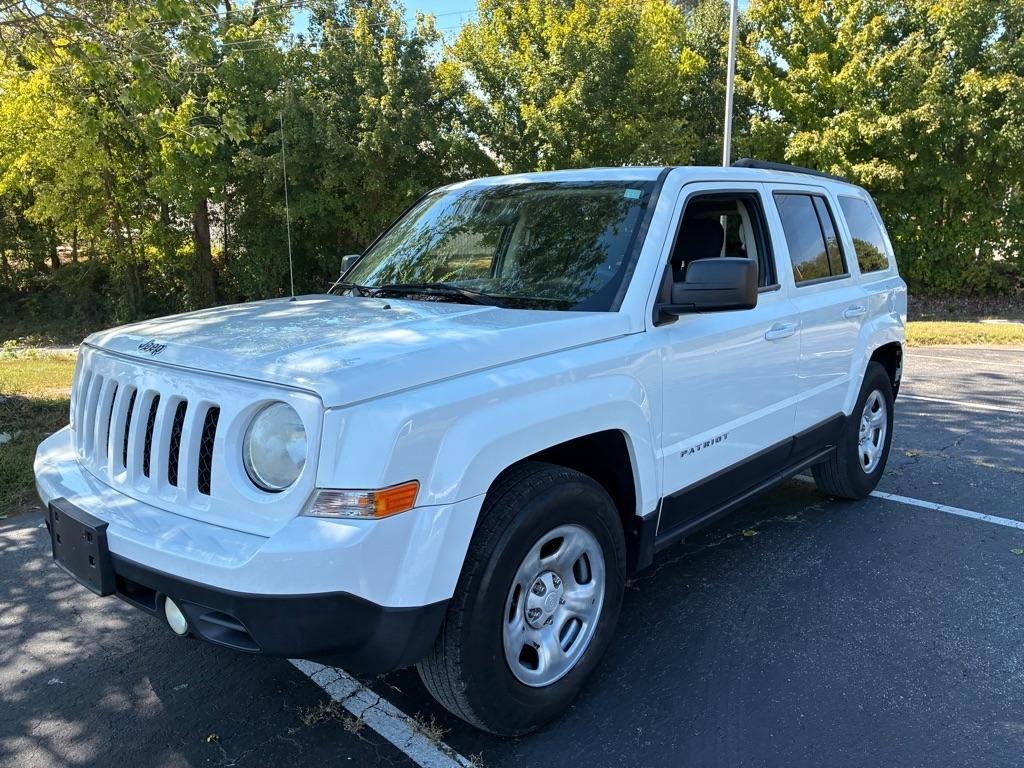
Patriot and Compass (2007–2016)
These are car-based, but spec them right and they’re winter-road champs. Freedom Drive II Patriots get lower gearing and an off-road mode; later 6-speed automatics or manuals are typically safer bets than early CVTs. Browse specs on the Jeep Patriot and Jeep Compass.
- Watch for: CVT whine/slip on early models, rust on snow-belt cars, and neglected AWD servicing.
- Why buy: Newer years under $10k with reasonable miles are common; excellent daily drivers with light-trail ability.
Commander XK (2006–2010)
Three rows, real 4x4, and a bargain when fuel prices spike. The 3.7/4.7 V8s are common; the 5.7 Hemi exists but is rarely under $10k unless very high miles. See model details on Jeep Commander.
- Watch for: Sunroof drain leaks, electrical gremlins, front-end wear on heavier trims, and transmission service history.
- Why buy: Tons of space, confident in snow, and often overlooked by off-road buyers—great negotiating leverage.
Smart Places to Find Jeeps Under $10k
- Private sellers: Cast a wide net on Facebook Marketplace, Craigslist, and OfferUp. Rural areas often have better prices and less rust.
- Enthusiast groups: Local Jeep clubs and forums like JeepForum, NAXJA (XJ), and the Wrangler TJ Forum often surface well-maintained rigs with documented mods.
- Dealer back-lot specials: Older trades a dealer would rather wholesale—negotiate hard with cash or a preapproval.
- Government and fleet auctions: Check GSA Auctions and GovDeals for basic-trim Cherokees/Grand Cherokees with rigorous maintenance.
- Set alerts and act fast: Save searches by model/year/price and enable notifications—great sub-$10k Jeeps often sell in hours, not days.
Pre-Purchase Checklist: 10-Minute Triage and a Deeper Dive
Quick triage (before you fall in love)
- Cold start: Listen for knocking, lifter tick that doesn’t fade, rough idle, or smoke.
- Transmission: Smooth upshifts/downshifts; no slipping or delayed engagement.
- 4x4 system: Verify 4HI and 4LO engage/disengage without binding; brush up on 4WD vs. AWD basics.
- Rust check: Frame (Wrangler) or unibody rails/floor pans (XJ), rocker panels, rear spring mounts, and brake lines.
- Cooling system: Steady temps on a long test drive; no sweet antifreeze smell.
- OBD-II scan: Pull codes with a basic scanner—watch for persistent EVAP or catalyst codes. Learn more about OBD‑II.
- Tires and brakes: Uneven wear hints at alignment/suspension issues; check tire DOT date codes (over 6 years old = near-term expense). Details: NHTSA tire info.
Deeper dive (if it passes the first test)
- Maintenance records: Oil, transmission, diffs, transfer case, and cooling intervals.
- Leaks: Valve cover, rear main seal, transmission pan, transfer case output, and differential pinion seals.
- Steering/suspension: Tie rods, ball joints, control arm bushings, track bar play, and shock condition.
- Electrical: Window regulators (Liberty), HVAC blend doors (Grand Cherokee), gauge cluster function, and sunroof drains (Commander).
- Modifications: Avoid poorly lifted rigs; ask who installed parts and for alignment specs. Stock or mild is safest on a budget.
- Title status: Prefer clean titles. If salvage/rebuilt, demand impeccable documentation and a steep discount; cross-check with NICB VINCheck and search recalls via the NHTSA Recall Search.
 Used
Used
 Used
Used
 Used
Used
 Used
Used
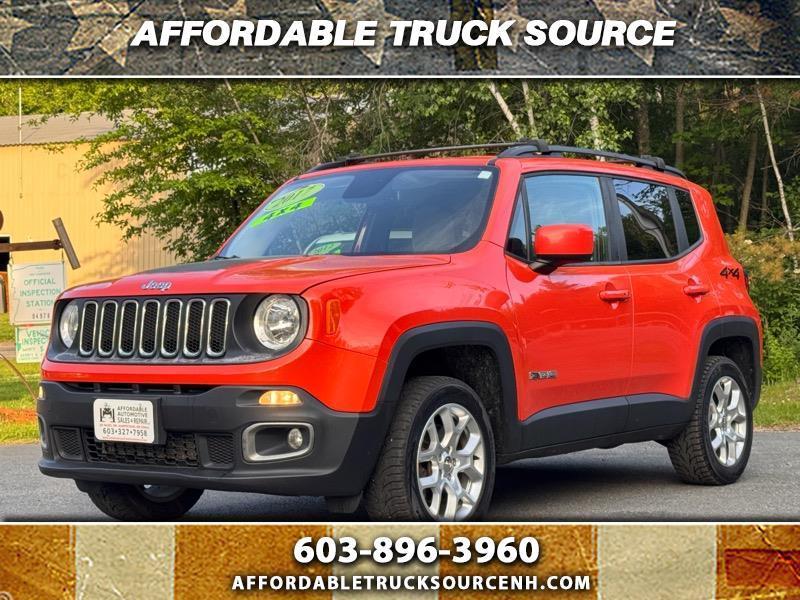
2017 Jeep Renegade Latitude 4WD OMAHA ORANGE AFFORDABLE PRICE
$5,496
124,051 mi
Hampstead, NH
 Used
Used
 Used
Used
Used
Used
Used
Used
2017 Jeep Renegade Latitude 4WD OMAHA ORANGE AFFORDABLE PRICE
Hampstead, NH
Used
Used
Budgeting Beyond the Sticker
- Set a reserve: Hold back 10–20% of the purchase price for catch-up maintenance. A $7,500 Jeep with a $1,000 reserve beats a $9,500 “no-budget-left” Wrangler every time.
- Common costs: Quality all-terrain tires ($700–$1,100), full fluid service ($250–$500), brakes ($250–$600), and a basic suspension refresh ($400–$1,200).
- Fuel economy reality: Many Jeeps return 15–20 mpg—run the numbers on FuelEconomy.gov for your commute.
- Insurance: Older models are often inexpensive to insure, but Wranglers and high-theft ZIP codes can cost more—get a quote first.
- Know the comps: Check pricing on Kelley Blue Book and Edmunds to anchor your offer with data.
Negotiation and Timing Tips
- Use real comps: Screenshot three similar listings and bring them. Anchoring your offer to data works.
- Seasonality helps: Soft-top Wranglers are cheaper in winter; big SUVs dip when gas prices rise.
- Cash or preapproval wins: Sellers move faster for ready buyers—use that to shave a few hundred off.
- Inspect, then offer: Point to specific, fixable issues (tires at 4/32, seep at rear main, dead window regulator) to justify your price without insulting the seller.
Quick Sample Scenarios
- Trail-capable daily: 1999 Cherokee XJ, 210k miles, stock, minor rocker rust, good service records, $6,500. Add fluids and 31-inch A/Ts—go anywhere.
- Family hauler: 2004 Grand Cherokee WJ 4.0L, 170k miles, clean interior, weak blend door, $4,800. Budget $300–$600 for HVAC fix and enjoy.
- Budget winter rig: 2012 Patriot 4x4, 140k miles, 6-speed auto, new tires, $6,000. Prioritize AWD service and alignment.
- Wrangler itch, tight budget: 2005 TJ, 240k miles, frame needs patching, $9,800. Get a frame inspection estimate first; walk if corrosion is structural.
Final Thoughts and Next Steps
Bottom line: Jeeps under $10k are out there—plenty of them. Focus on condition over cosmetics, verify the 4x4 system, and budget for catch-up maintenance. Cast a wide search radius, move quickly on good listings, and be willing to walk away from rust or vague histories. Do that, and you’ll end up with a capable, reliable Jeep that makes every school run or trail day a little more fun.